Residential service
Kitchen Remodeling
Rebuild the room where cabinetry, plumbing, electrical and appliances all have to land in one sequence.
The scope
The most trade-dense room in the house.
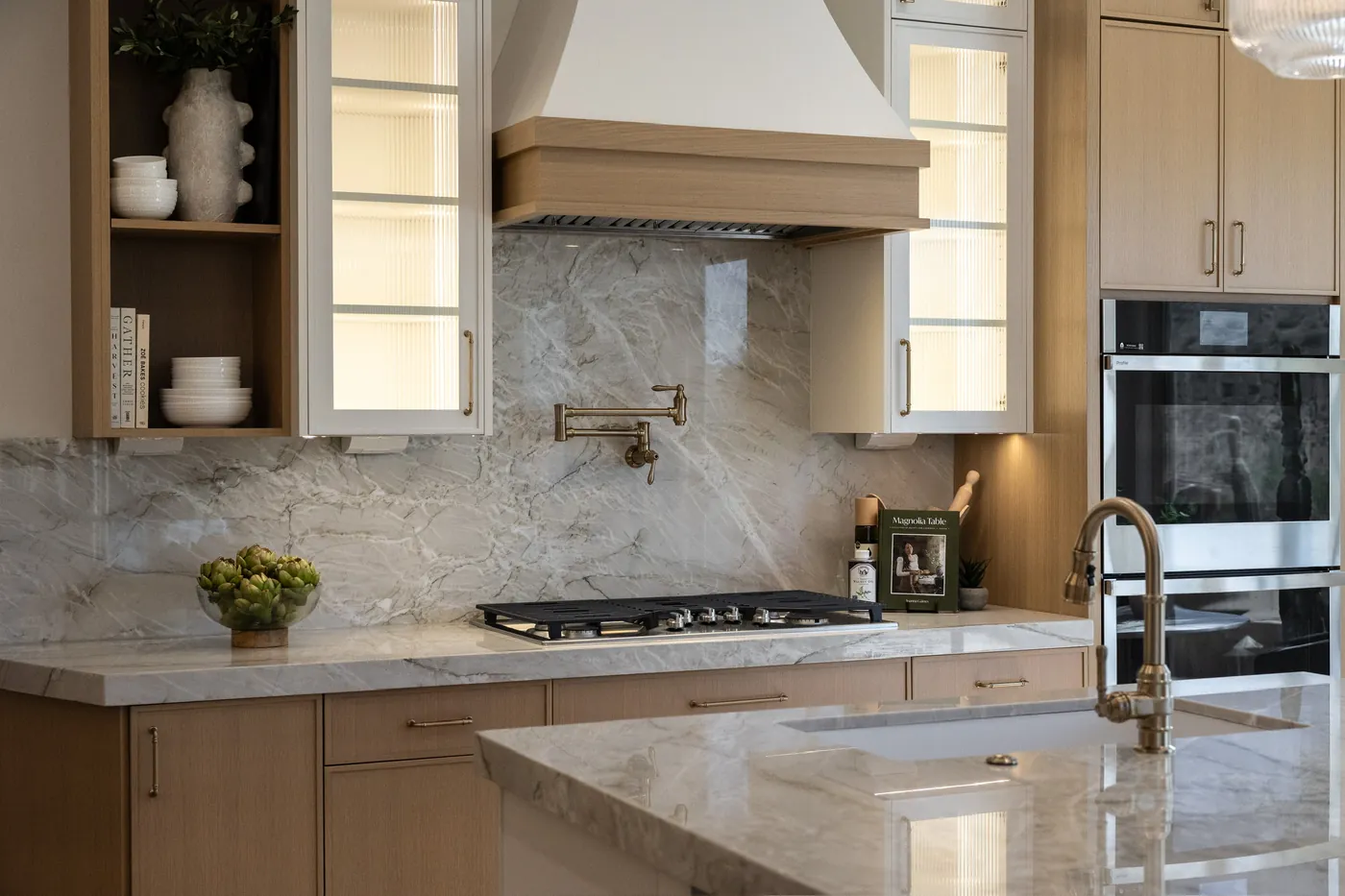
A kitchen concentrates more trades per square foot than anywhere else in a home. Cabinetry, counters, plumbing, electrical, tile, ventilation and appliances all have to be sequenced against long-lead selections, and a slipped cabinet delivery stalls every trade behind it. This is the room where planning pays for itself.
Discuss your kitchen remodeling projectWork may include
- Demolition and existing-condition review
- Layout and structural changes where walls move
- Cabinetry and countertop coordination
- Plumbing, electrical and ventilation rough-in
- Tile, flooring and finish carpentry
- Appliance, lighting and hardware installation
Bring these details
- Whether the layout is changing or staying
- Cabinet, counter and appliance direction
- How long the kitchen can be out of service
- Whether a temporary kitchen is needed
- Budget range and finish level
How these projects usually run
General points that apply to most projects of this kind. Confirm the specifics for your property when you request an estimate.
- What moves the price?
- Layout changes add cost quickly: moving a sink, range or gas line brings plumbing, electrical and often structural work with it, where a like-for-like refit keeps those trades small. The cabinet line, countertop material and appliance package set most of the remaining range; tile, lighting and hardware follow.
- What decides the schedule?
- Long-lead selections — cabinets, countertops and appliances — set the calendar. A kitchen is usually out of service from demolition until the counters are templated and installed, so the sequence is planned around when those deliveries land.
after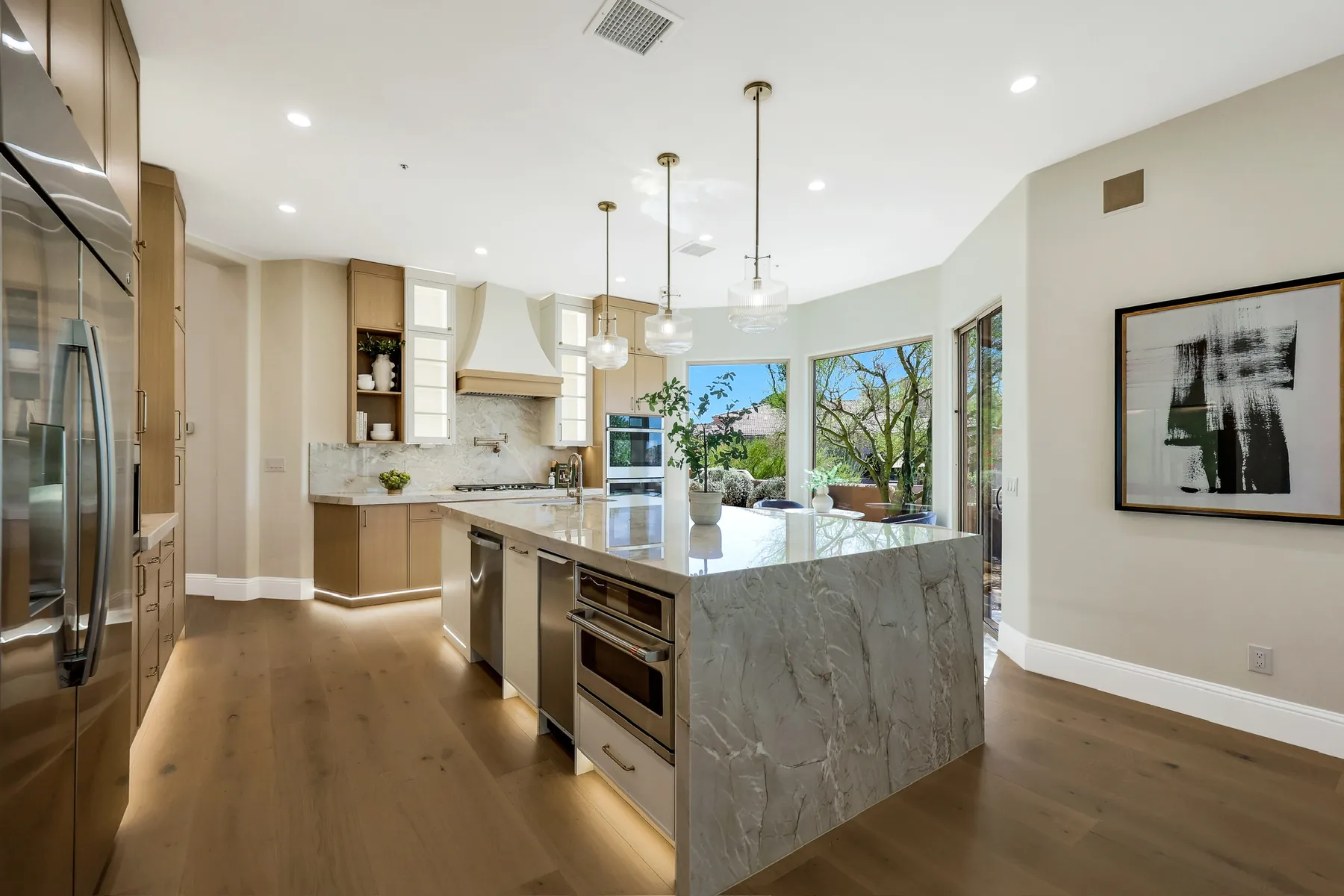
after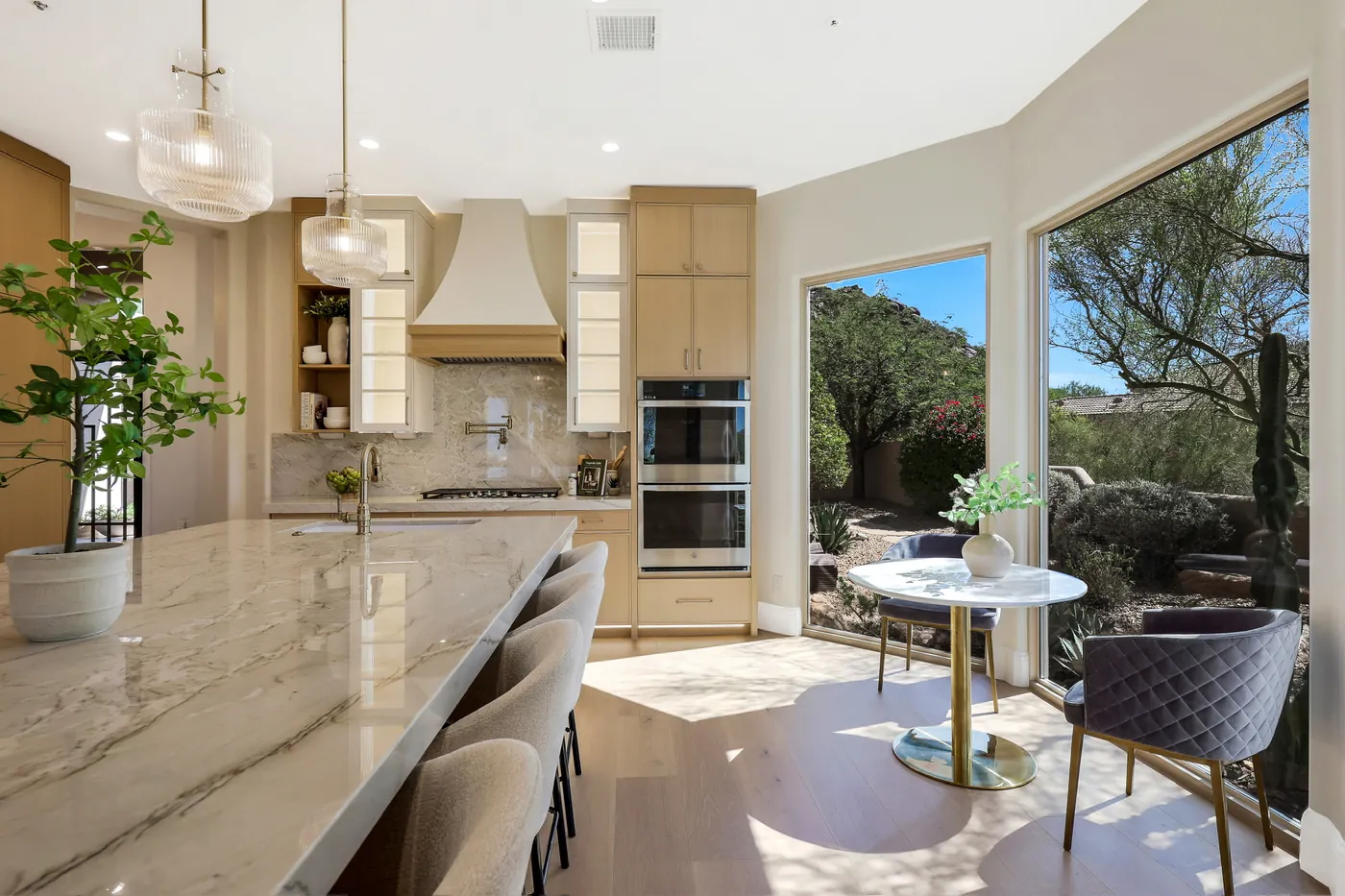
after